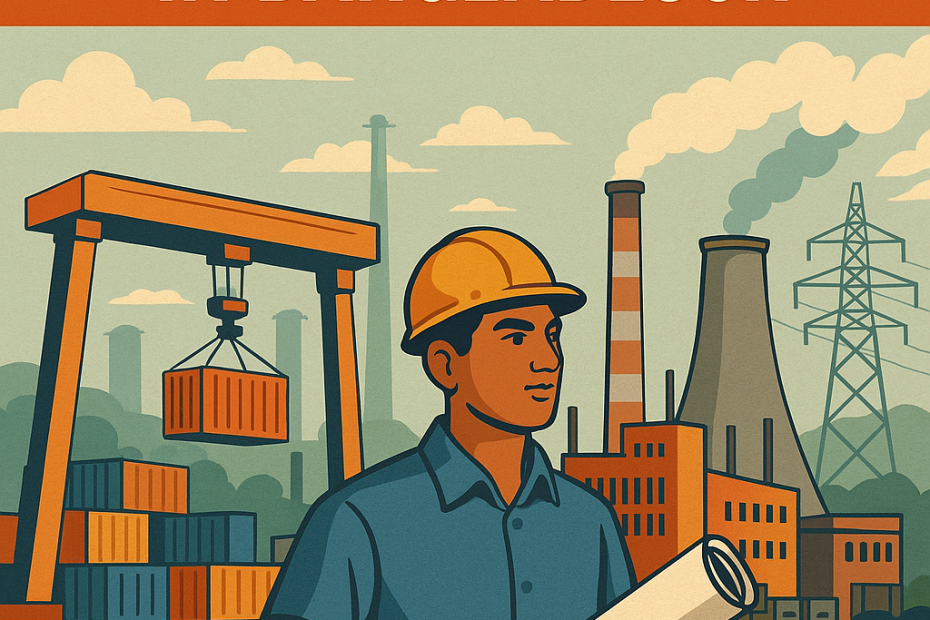
Bangladesh Is in the Middle of Its Own Industrial Revolution
This revolution doesn’t wear a powdered wig or ride a steam engine. It wears a lungi in one shift and denim in the next. And instead of coal, it runs on ambition, cheap energy, and human capital that refuses to sit still.
Bangladesh, long thought of as a land of rivers and rickshaws, is now building factories, power plants, and production zones like it’s catching up with two centuries in two decades. This isn’t just a few factories popping up. This is systemic. This is sweeping. This is industrial revolution—with local flavor and global consequences.
From Hand to Machine: A Shift in Motion
The first thing to understand is that most of Bangladesh’s workforce once lived by the seasons. Agriculture ruled. Hands sowed rice, harvested jute, and waited for monsoons. But machines don’t wait for rain.
The textile and garment industry kicked things off in the 1980s. What followed was a boom so loud that Dhaka’s skyline began to change. Today, Bangladesh is the second-largest apparel exporter in the world, right behind China. Not bad for a country that once relied on foreign donations and food aid.
But garments were only the beginning.
The Drivers Behind the Revolution
There’s no magic trick here. Several powerful forces are driving this transformation:
1. Demographic Dividend
With over 60% of its population under 35, Bangladesh has a workforce hungry for work and open to skill development. Young hands, quick learners, and restless minds are powering factories and tech parks alike.
2. Government Policy
The government didn’t just watch. It got involved. Export processing zones (EPZs), tax breaks, low-cost industrial loans, and aggressive infrastructure development (think Padma Bridge) are helping industries expand.
3. Private Sector Dynamism
From family-run factories to industrial conglomerates, local entrepreneurs have shown grit. They didn’t wait for perfect roads or electricity. They built anyway. Now, with improvements in infrastructure, the payoff is real.
4. Global Supply Chains
Western companies looking to diversify from China found a new love in Bangladesh. Cheap labor, improving quality, and compliance reforms turned the country into a manufacturing sweetheart.
Beyond Textiles: A Diversifying Industrial Landscape
If you still think Bangladesh only makes T-shirts, you haven’t been paying attention.
- Pharmaceuticals: Companies like Beximco and Square are now exporting drugs to over 100 countries.
- Shipbuilding: From fishing trawlers to container vessels, Bangladesh is quietly becoming a shipbuilding nation.
- Ceramics: Bangladeshi tiles and tableware now sit in showrooms from Europe to the Middle East.
- Leather and Footwear: The industry is climbing the value chain, with big investments in eco-friendly tanneries.
- Electronics and Light Engineering: Walton and a few others are breaking into consumer tech, manufacturing fridges, TVs, and even smartphones.
- Automotive Assemblies: The wheels are in motion—literally. Motorcycle and auto assembly plants are growing fast.
Industrial Zones: The Revolution’s Battlefields
This isn’t happening randomly. Special Economic Zones (SEZs) are being developed across the country—from Mongla to Mirersarai. The Bangladesh Economic Zones Authority (BEZA) plans to develop 100 zones by 2030. Some are already fully operational. These zones are attracting billions in investment from Japan, China, South Korea, India, and beyond.
They come with better roads, uninterrupted power, and bureaucratic fast-tracks. In other words, they’re custom-built to industrialize quickly.
Energy and Infrastructure: The Unsung Heroes
No industry runs without power, and Bangladesh is finally getting its grid in order. The power generation capacity has grown more than 300% in 15 years. Gas pipelines are expanding. LNG terminals are coming online.
Ports are expanding. Highways are getting wider. Railway cargo is improving. These may sound boring, but they’re the bones of an industrial body that’s just beginning to stretch.
Challenges That Still Bite
Let’s not sugarcoat it—this revolution isn’t easy.
- Corruption and red tape still slow things down.
- Energy shortages haven’t disappeared completely.
- Skilled labor gaps persist, especially in high-tech sectors.
- Environmental concerns are rising, with factories sometimes cutting corners.
- Urban congestion threatens productivity in Dhaka and Chittagong.
But despite these hurdles, the forward motion continues. The momentum is undeniable.
The Social Shift: How Industry Changes People
What does a factory do to a village? It changes the air, the rhythm, the very logic of time.
- Young girls become wage earners.
- Boys become electricians, not farmers.
- Parents save for tech diplomas instead of dowries.
- Roadside shops turn into small businesses.
Industrial growth isn’t just GDP. It’s people building new dreams, bigger than the ones they were born with.
The Future: Smart Industry, Green Growth?
The next chapter will depend on smart moves.
- Digitalization: Smart factories, automation, and Industry 4.0 are knocking.
- Green manufacturing: Solar plants, eco-friendly dyes, and waste recycling will separate winners from polluters.
- Skill development: Vocational education must replace rote learning.
- Policy reform: Simpler laws, digital land management, and less corruption could speed everything up.
Conclusion: A Revolution in Real Time
Bangladesh isn’t following Europe’s path. It’s hacking its own trail with sweat and strategy. The country has moved from boats to garments, from garments to ships, and now it eyes chips, codes, and robots.
This is not the end of the road. It’s the middle of the story.
Factories don’t just build things. They build people, cities, and futures. The industrial revolution in Bangladesh is messy, hopeful, crowded, imperfect—and absolutely real.