Executive Summary
Bangladesh’s leather and footwear industry stands as a sector of profound potential, positioned as the nation’s second-largest export earner after the Readymade Garment (RMG) sector. It benefits from an abundant supply of high-quality domestic raw materials and a cost-effective labor force, operating within a global market projected for substantial growth. Despite these inherent advantages, the industry remains largely underappreciated, primarily due to systemic challenges. A significant portion of leather is exported in raw or semi-processed forms, leading to substantial value loss. Furthermore, persistent non-compliance with international environmental standards, particularly concerning the Central Effluent Treatment Plant (CETP) at Savar, severely restricts access to premium global markets. This report analyzes the industry’s current landscape, competitive advantages, and the multifaceted challenges impeding its progress. It concludes with strategic recommendations for a green transformation, enhanced value addition, brand development, and robust policy coherence, all critical steps to unlock its full potential and establish it as a diversified, high-value export leader.
1. Introduction: Bangladesh’s Leather & Footwear Industry – A Sector at a Crossroads
The leather and leather goods (LLGs) industry in Bangladesh is a critical component of the national economy, recognized as the second-largest export sector with immense promise for diversification and growth.1 This sector possesses a distinct advantage in its strong backward linkage, relying on a readily available supply of domestic raw materials and a large, cost-effective labor force.1 The global leather goods market is experiencing robust expansion, with projections indicating growth from USD 498.57 billion in 2024 to USD 855.36 billion by 2032, at a Compound Annual Growth Rate (CAGR) of 7.05%.2 This expansive market trajectory presents a significant opportunity for Bangladesh to increase its global footprint.
The industry is frequently compared to the nation’s dominant Readymade Garment (RMG) sector, often referred to as the “next RMG.” This comparison arises from its similar labor-intensive nature and its potential for high domestic value addition, estimated between 80-95%.1 A key distinction, however, lies in the raw material sourcing: unlike the RMG sector, which heavily depends on imported materials, the leather industry benefits from an inherent advantage in its local raw material supply.2 This distinction underscores a broader national economic imperative. Bangladesh’s overwhelming reliance on RMG exports, which account for over 80% of total export receipts, renders its economy vulnerable to external shocks.2 The leather industry, with its indigenous raw material base, is therefore not merely another export sector but a vital strategic asset. Its successful development is integral to a national strategy aimed at fostering economic resilience and diversification, thereby mitigating the risks associated with an over-concentrated export portfolio.
2. Current Landscape and Economic Significance
2.1 Export Performance and Global Standing
The Bangladesh leather and footwear industry has recently demonstrated a positive export trend. The total value of leather exports, encompassing leather footwear, leather goods, and finished leather, reached US$1.06 billion between July 2024 and May 2025, marking a 12.55% increase over the previous year.8 This performance signals a rebound following a 25% decline in exports in 2023, primarily attributed to decreased American imports.8
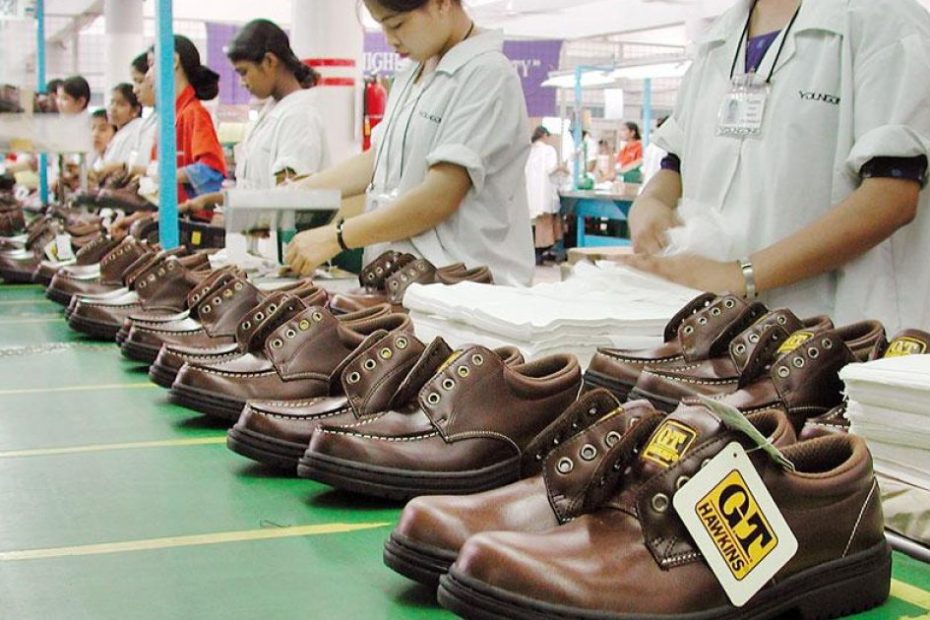
Footwear has emerged as the primary catalyst for this growth. Leather footwear exports experienced a notable rise of 28.96% to $620.17 million between July 2024 and May 2025.8 Similarly, non-leather footwear, including synthetic and sports shoes, recorded substantial growth, increasing by 30.25% to $494.28 million during the same period.8 In the first six months of Fiscal Year (FY) 2024-25 (July-December), total shoe exports reached $626.5 million, reflecting a 34.30% year-on-year increase.10 These figures clearly indicate that while footwear is driving the current export success, other segments of the leather value chain are not advancing uniformly. Exports of leather goods and finished leather have, in fact, declined, with leather goods falling by 3.39% to $317.87 million and finished leather by 7.82% to $119.78 million between July 2024 and May 2025.8 This divergence suggests that the overall industry’s progress in value addition is mixed, with footwear leading the charge while other product categories face distinct challenges.
Globally, Bangladesh holds the 18th position in the footwear market and accounts for a 3% share in the global leather and leather products market, representing 10% of the worldwide leather industry.3 For comparison, Vietnam’s share in global textile, leather, and footwear exports stands at 5.9%, surpassing Bangladesh’s 5.1% and India’s 3.5%.12 China continues to dominate the global shoe market, controlling over half of the estimated $400 billion market.10 This significant market share held by China is, however, facing challenges due to rising labor costs, prompting many international importers to seek alternative suppliers.3 This shift in global supply chains presents a substantial opening for Bangladesh, provided it can meet evolving quality and compliance standards.
Bangladesh’s footwear exports reach over 50 countries, including key markets such as India, Dubai, the UK, Germany, Italy, and other European nations.10 The European Union (EU) is a leading destination for footwear exports, accounting for a 60% share, followed by Japan at 30%.3 For broader leather and leather goods, the EU holds a 33% share, and Japan accounts for 8%.3 In FY23, the United States was the primary destination for leather footwear, comprising 37% of total exports.7
The Government of Bangladesh has set ambitious targets, aiming to increase leather export earnings from the current USD 1 billion to USD 10-12 billion by 2030.3 Achieving this target would necessitate an annual growth rate of 40%.13 However, the overall leather sector has experienced stagnation in exports since 2017 due to persistent compliance issues.13 This disparity between aspirational goals and the current trajectory suggests that fundamental structural transformations, rather than incremental improvements, are essential to bridge this gap and realize the sector’s full potential.
Table 1: Bangladesh Leather & Footwear Export Performance (USD Million)
| Fiscal Year | Total Leather Exports (incl. Footwear) | Leather Footwear Exports | Non-Leather Footwear Exports | Leather Goods Exports | Finished Leather Exports | Annual Growth (Total) |
| FY2020-21 | ~$943.3 (est.) 16 | $569.9 10 | – | ~$225.54 (2020 CY) 16 | – | – |
| FY2021-22 | $1245.18 16 | $756.2 10 | $449.15 16 | ~$179.67 (Jan-Jun 2022) 16 | – | 32% 16 |
| FY2022-23 | $1220 14 | – | – | – | – | -1.74% 14 |
| FY2023-24 | $970 13 | – | $416.8 10 | – | – | – |
| FY2024-25 (Jul-May) | $1060.0 8 | $620.17 8 | $494.28 8 | $317.87 8 | $119.78 8 | 12.55% 8 |
| FY2024-25 (Jul-Dec) | – | $352.65 10 | $273.9 10 | – | – | 34.30% (shoes) 10 |
Note: Data for fiscal years and calendar years may vary across sources. The table prioritizes the most comprehensive and recent fiscal year data available.
2.2 Domestic Market Dynamics and Contribution
Beyond its export orientation, Bangladesh also represents a substantial domestic consumer market for footwear. In 2023, the country’s demand for shoes reached 350 million pairs, positioning it as the ninth-largest consumer market globally.10 The annual local shoe market is estimated to be at least Tk 24,000 crore.10 This significant internal demand provides a crucial buffer against fluctuations in global markets, as evidenced during the 2023 export decline. The resilience of the domestic market allows the industry to maintain production and employment levels even when external demand softens, contributing to its overall stability.
Annual domestic production stands at approximately 378 million shoes, while local market demand ranges from 200-250 million pairs annually.3 Despite this seemingly sufficient production volume, nearly 40% of the local demand is met through imports.3 This situation, where local production exceeds local demand yet imports remain substantial, suggests underlying issues related to product diversification, quality perception, or pricing within the domestic supply chain. It indicates a missed opportunity for local manufacturers to capture a larger share of their own market, potentially by focusing on product categories or quality tiers currently dominated by imports.
The export-oriented leather sector’s contribution to Bangladesh’s Gross Domestic Product (GDP) was estimated at 0.25% in 2017.1 In terms of employment, the sector directly engaged 129,000 individuals in 2016, an increase from 91,000 in 2013.1 More broadly, the industry directly employs approximately 200,000 individuals and indirectly supports another 850,000 jobs.3 Notably, about 70% of the employees in footwear firms are female.4
3. Competitive Advantages: Unlocking Inherent Strengths
3.1 Abundant Raw Materials and Cost-Effective Labor
Bangladesh possesses a significant competitive advantage in its abundant supply of locally available raw materials. The country boasts substantial cattle (1.8% of the global total) and goat (3.7% of the global total) stock.3 Annually, Bangladesh produces approximately 350 million square feet of leather 2, comprising 56% cowhides, 30% goat/sheep hides, and 14% buffalo skins.2 This consistent domestic input stream ensures a steady supply for the industry 3, with Bangladesh meeting about 3.5% of the global raw material demand.15
The sector is highly labor-intensive and benefits from a highly cost-effective labor force.3 This competitive labor cost provides a strong advantage over major competitors such as China and other ASEAN countries.19 Furthermore, the leather sector exhibits a strong backward linkage due to its reliance on locally sourced raw materials, contributing to a domestic value addition as high as 80-95%.1 Processed leather and finished leather products, in particular, have the potential to add up to 90% value to leather goods.2
However, a critical disconnect exists between this potential and current practice. Despite the abundance of raw materials and the high potential for value addition (up to 90% for finished products), a significant portion—approximately 75-85%—of locally processed leather is exported as crust or wet blue (semi-finished) without substantial value addition.3 This represents a considerable missed opportunity, especially given that finished leather can command prices up to 60% higher than crust leather.3 This situation points to systemic issues, such as compliance and market access barriers, that prevent the industry from fully leveraging its fundamental raw material advantage, resulting in significant economic leakage. While low labor costs are a current strength, the global manufacturing landscape is undergoing rapid transformation with the emergence of technologies like the Internet of Things (IoT), advanced robotics, and 3D printing.21 These technological advancements are diminishing the traditional advantage derived solely from a competitive labor force and pose a potential risk to Bangladesh’s large low-skilled workforce.21 This suggests that relying solely on low labor costs is a short-term strategy, and to maintain long-term competitiveness, the industry must proactively invest in technology adoption and workforce upskilling.
3.2 Favorable Trade Agreements and Government Incentives
Bangladesh benefits from favorable trade agreements that provide duty-free access to developed countries under the Generalized System of Preferences (GSP), including the European Union, UK, Japan, Canada, Russia, and Australia.4 This quota-free market access makes Bangladesh an attractive sourcing destination for international buyers.20
The government actively supports the industry through a range of fiscal incentives. These include no Value Added Tax (VAT) imposition on export goods, reduced Corporate Income Tax (CIT) for 5-10 years (depending on location and sector), import duty exemptions on capital machinery, and bonded warehousing facilities for large material imports.11 Furthermore, a 15% cash incentive is provided on the export value of leather goods and footwear, with an additional 5% for crust leather originating from the Savar Estate.3 Recently, the eligibility for these cash incentives was expanded to encompass leather products manufactured in exporters’ own factories, not just those exclusively export-oriented.23
The leather and leather products industry is officially recognized as a high-priority sector in the Export Policy 2021-24 19, and the Leather and Leather Products Development Policy 2019 specifically outlines incentives to boost exports.19 To support industrial development, the government is establishing three dedicated industrial estates for leather and tannery operations in Rajshahi, Savar, and Chattogram.11
Despite this extensive framework of government support, incentives, and preferential market access, the overall leather sector (excluding footwear) has largely struggled to realize its potential, experiencing stagnation in exports since 2017 due to persistent compliance issues.13 This disparity suggests that while policies are supportive on paper, their effectiveness is undermined by deeper systemic challenges, particularly concerning environmental compliance and infrastructure. The current situation indicates that financial incentives alone are insufficient to overcome these fundamental bottlenecks, necessitating a shift towards policies that address the enabling environment for growth.
Table 4: Government Policies and Incentives for the Leather & Footwear Industry
| Type of Incentive | Specific Policy/Initiative | Details/Value | Relevant Policy Document/Authority |
| Fiscal Incentives | Cash Incentives on Exports | 15% on leather goods/footwear, 5% additional for crust leather from Savar Estate | 3 |
| Corporate Income Tax (CIT) | Reduced CIT for 5-10 years (location/sector dependent) | 11 | |
| Import Duty Exemption | On capital machinery | 4 | |
| VAT Exemption | No VAT imposition on export goods | 19 | |
| Bonded Warehousing Facility | For large imports of materials | 19 | |
| Non-Fiscal Support | Duty-Free Market Access (GSP) | To developed countries: EU, UK, Japan, Canada, Russia, Australia | 4 |
| Priority Sector Recognition | Identified as a high-priority sector | Export Policy 2021-24 19, National Industry Policy 2016 11 | |
| Industrial Estates | Three dedicated estates (Rajshahi, Savar, Chattogram) | 11 | |
| Leather & Leather Products Development Policy 2019 | Addresses incentives to boost export earnings | 19 | |
| Workforce Skilling Initiatives | Major initiative of Bangladesh Government | 19 | |
| Investment Promotion | Prioritized by BIDA in top 19 sectors for FDI heatmap | 11 |
4. Key Challenges Hindering Growth and Value Realization
4.1 Environmental Compliance and the Savar CETP Crisis
The most formidable obstacle confronting Bangladesh’s leather industry is its pervasive failure to comply with international environmental standards.2 Leather processing is an inherently polluting activity, characterized by its heavy reliance on toxic chemicals and the generation of substantial volumes of hazardous wastewater.6
At the heart of this environmental crisis is the Central Effluent Treatment Plant (CETP) at the Savar Tannery Industrial Estate. Despite its establishment with the intention of mitigating environmental hazards, the CETP remains incomplete and severely underperforming.6 Its operational capacity is limited to approximately 14,000 cubic meters of waste per day, a stark contrast to the 35,000 cubic meters generated during peak periods.6 This shortfall results in the continuous discharge of significant amounts of untreated effluent, including highly toxic chromium, into the Dhaleshwari River. The pollution profoundly impacts local agriculture, ecosystems, and poses grave threats to public health.6
The dysfunctional CETP is the primary impediment preventing Bangladeshi tanneries from obtaining Leather Working Group (LWG) certification.13 LWG is globally recognized as the leading standard for environmental management, chemical usage, and waste treatment in the leather industry.6 The absence of this crucial certification directly restricts access to premium global buyers, including major brands like Zara, H&M, and Adidas.13 Consequently, foreign buyers, wary of reputational risks associated with non-compliant sourcing, avoid Bangladeshi leather. This forces exporters to sell raw hides or semi-processed leather (wet blue) to low-cost buyers, often at prices 20-60% below market value.17 This dynamic is a significant factor contributing to the industry’s stagnation at approximately $1 billion in exports.14 The failure of the CETP is not merely an environmental problem; it is the fundamental cause of the industry’s inability to secure LWG certification, which in turn directly leads to exclusion from high-value international markets and traps the industry in a low-profit cycle despite its inherent advantages.
Beyond the CETP, tannery-specific issues compound the problem. Only a handful of tanners (approximately six) have independently established their own Effluent Treatment Plants (ETPs), while the vast majority of small-scale tanneries in Savar lack the financial capacity to install individual ETPs.6 Furthermore, a significant proportion of tanneries fail to meet social audit requirements (85% have not completed them), do not consistently measure chromium levels (50%), and lack proper registers for hazardous substances (70%).26 Many also exceed permissible water consumption limits set by environmental regulations.26 The persistent environmental pollution and non-compliance issues not only deter buyers but also severely damage Bangladesh’s overall reputation as a responsible sourcing destination. This, coupled with financial instability and defaulted bank loans for many tanneries, creates a challenging environment for attracting new investment, perpetuating a cycle of underperformance.
4.2 Raw Material Value Chain Inefficiencies and Export Composition
The raw hide collection and preservation system in Bangladesh is characterized by fragmentation and inefficiency.2 This is particularly evident during Eid-ul-Adha, when 50-60% of the annual rawhide supply is collected. Poor coordination, inadequate preservation methods (such as insufficient salt or ice), delayed transportation, and a lack of cold storage facilities lead to an estimated 15-20% wastage of rawhides.5 Consequently, rawhides are often sold at distress prices or even discarded due to market failures.27 The absence of a structured supply chain means that by the time raw hides reach the tanneries, their quality has often deteriorated significantly, compelling producers to rely on imported chemicals for salvage, which in turn increases production costs.
Unregulated middlemen exploit small traders and farmers, and a pricing system that is disconnected from market logic results in artificially low prices for raw hides, even amidst supply challenges.17 This inefficient raw material collection and preservation system directly leads to quality degradation of hides before they even reach tanneries, necessitating costly salvaging efforts and perpetuating the need to import LWG-certified finished leather, despite the country’s abundant local raw material supply.
A significant proportion—approximately 75-85%—of locally processed leather is exported as crust or wet blue (semi-finished products), leading to substantial value loss.3 This is a critical missed opportunity, as finished leather can command prices up to 60% higher than crust leather.3 Bangladesh, therefore, remains largely an exporter of raw hides rather than a leader in value-added leather goods.17 Despite its abundant raw hide resources, Bangladeshi exporters spend approximately $100 million annually to import LWG-certified finished leather because domestic tanneries struggle to meet global standards.15 The fragmented ecosystem, with few tanners owning their own footwear or bag manufacturing units, highlights a significant lack of vertical integration. This structural weakness prevents the industry from capturing the full value chain, from raw material to finished product, and impedes the development of strong, consistent brands.
4.3 Technological Gaps and Infrastructure Deficiencies (beyond CETP)
The Bangladesh leather and footwear industry lags in technological advancements, which limits its ability to compete effectively on quality and cost in the global market.29 While there are instances of Computer-Aided Design (CAD) and Computer-Aided Manufacturing (CAM) systems being adopted 29, the overall operational landscape is still heavily reliant on manual processes 21, and there is a notable absence of the latest technological facilities.30 Even the diffusion of basic technologies remains a challenge.31 This technological lag directly impacts production efficiency, quality consistency, and the industry’s capacity to meet modern market demands, resulting in higher costs, lower quality, and reduced competitiveness against technologically advanced rivals.
Several barriers impede the adoption of advanced technologies. These include high investment costs, inadequate knowledge management, a shortage of skilled labor capable of utilizing Industry 4.0 technologies, and a general resistance to change within organizations.29 Beyond the critical issues with the CETP, the industry also grapples with broader infrastructure deficiencies. These include inadequate transportation and logistics networks 29, unreliable power supply, poor water quality, and generally low-grade infrastructure within industrial zones.17 Seaport congestion further exacerbates these logistical challenges.34 This indicates a systemic infrastructure deficit that affects all aspects of production and supply chain efficiency, diminishing the industry’s appeal for high-volume, time-sensitive global orders.
The pervasive technological stagnation, coupled with a decline in the number of manufacturing units, poses a significant risk to the overall industrial advancement of an economy that largely depends on manual operations.21 Without substantial investment in modernization, the industry will struggle to move up the value chain and access premium markets, even if environmental compliance issues are resolved.
4.4 Skilled Labor Shortages and Social Compliance Issues
The industry faces a pronounced shortage of skilled workers, particularly in specialized areas such as design, engineering, and technology.27 This deficiency directly limits business growth and the capacity for innovation.15 The majority of tannery workers are informal, untrained laborers who lack the technical expertise necessary to meet international production standards.27
Working conditions in tanneries are often hazardous, with workers enduring prolonged hours and exposure to toxic chemicals without adequate safety gear or training.25 This environment contributes to high rates of occupational diseases, including skin and lung ailments, headaches, and burn injuries.25 Furthermore, widespread labor rights violations are reported, with workers often receiving pay below the legally mandated minimum wage, lacking formal employment agreements, and being deprived of fundamental rights such as paid sick leave and injury compensation.37 Disturbingly, indicators of modern slavery, including debt bondage and wage withholding, have been documented within the sector.37
Despite the existence of national and international regulations, the implementation of labor laws is uneven. This is often undermined by the significant influence of economic elites, limited trade union power, and governmental challenges such as resource shortages, corruption, and inadequate oversight.37 These issues concerning environmental and health standards, encompassing labor conditions, negatively impact the export of leather goods.2 International buyers are increasingly prioritizing ethical manufacturing practices 18, meaning that poor social compliance can deter conscious buyers and lead to market exclusion. The hazardous working conditions and exploitation deter skilled labor from entering or remaining in the sector, exacerbating the existing skill shortage. This lack of skilled labor, combined with social compliance failures, makes it difficult to meet international ethical sourcing standards, further limiting access to premium markets. Addressing these labor issues is not merely a moral imperative but a fundamental business necessity for enhancing competitiveness and market access.
4.5 Policy Incoherence and Market Access Barriers
The governance of Bangladesh’s leather sector is fragmented, with decisions often made in an ad hoc manner by various ministries—Industries, Commerce, and Environment—whose priorities frequently conflict. This lack of a comprehensive National Leather Policy and weak institutional coordination leads to policy paralysis.17 This fragmented governance directly results in ineffective implementation of existing policies and significant delays in critical projects, such as the Savar CETP, which is a fundamental cause of the industry’s stagnation despite its inherent potential.
Bureaucratic bottlenecks, rent-seeking behavior, and corruption at multiple levels—from licensing to raw hide transportation and export documentation—discourage honest entrepreneurs and deter foreign investors.27 These governance issues are overarching, systemic challenges that, unless addressed, will continue to impede any successful intervention in the sector.
A recent and significant challenge to market access is the imposition of new US tariffs on synthetic footwear shipments from Bangladesh. The rapidly expanding non-leather footwear sector now faces a steep 50% tariff (including a new 35% duty on top of an existing 15%), threatening export growth and job security.39 This sudden policy shift highlights Bangladesh’s vulnerability to external trade policy changes, particularly when export growth is concentrated in specific segments. It underscores the urgent need for greater product and market diversification strategies beyond traditional destinations to build resilience against such shocks. Furthermore, exporters face challenges from high import duties on raw materials (up to 60%) for non-leather footwear and a perceived lack of government incentives compared to competitors like China.39
Table 3: Key Challenges and their Impact on Industry Growth
| Challenge Category | Specific Challenges | Direct Impact on Industry |
| Environmental Compliance | Dysfunctional Savar CETP | Untreated effluent discharge, severe pollution (Dhaleshwari River), health risks 6 |
| Lack of LWG Certification | Restricted access to premium global buyers, forced sales of low-value raw/semi-processed leather at reduced prices (20-60% lower), export stagnation 13 | |
| Reputational Damage | Foreign buyers avoid Bangladeshi leather, difficulty attracting new investment 6 | |
| Raw Material Value Chain | Fragmented Procurement & Preservation | 15-20% raw hide wastage (Eid-ul-Adha), quality degradation, reliance on imported chemicals for salvage 2 |
| Middlemen & Price Disconnect | Exploitation of farmers/traders, low prices for raw hides, market failure 17 | |
| High Raw Export Proportion | Loss of potential value addition (up to 90% for finished products), limited capture of full value chain 3 | |
| Technology & Infrastructure | Technological Stagnation | Limits competition on quality/cost, reliance on manual operations, hinders industrial advancement 21 |
| Inadequate General Infrastructure | Poor transportation/logistics, irregular power/water supply, seaport congestion, higher production costs 17 | |
| Labor & Social Compliance | Skilled Labor Shortage | Limits specialized production (design, engineering, tech), hinders business growth 27 |
| Hazardous Working Conditions & Rights Violations | Occupational diseases, low pay, lack of formal agreements, modern slavery indicators, deters skilled labor 25 | |
| Social Compliance Barrier | Deters conscious global buyers, limits market access for ethical sourcing 2 | |
| Policy & Governance | Policy Incoherence & Fragmented Governance | Policy paralysis, weak institutional coordination, ineffective implementation of policies 17 |
| Bureaucracy & Corruption | Discourages entrepreneurs, deters foreign investors, stalls digitalization efforts 27 | |
| US Tariff Threat (Non-Leather) | Threatens export growth, job security, and cash flow stability for synthetic footwear 39 |
5. Strategic Opportunities for Future Growth
5.1 Shifting Towards Value-Added Products and Branding
The Bangladesh leather industry holds significant potential for value enhancement. Processed and finished leather products can add up to 90% value to raw materials 2, with finished leather commanding substantially higher prices than crust leather.3 Currently, approximately 85% of Bangladesh’s leather exports are in semi-finished forms like wet blue or crust, with only 15% consisting of finished goods such as shoes and bags.15 This highlights a crucial area for strategic focus: Value-Added Production and Branding.
Shifting to value-added products is not merely about achieving higher prices; it is fundamentally about building brands. Branding enables market differentiation, fosters customer loyalty, and justifies premium pricing, moving the industry beyond a low-cost manufacturing base. This necessitates strategic investments in design, marketing, and rigorous quality control. Opportunities abound in developing brands and entering niche markets, including luxury, organic, and artisanal leather goods.17 Bangladesh already produces leather shoes, sneakers, loafers, boots, dress shoes, ladies’ heels, and sandals that can compete with international counterparts in style and durability.10
Furthermore, Bangladesh is rapidly emerging as a global hub for Original Equipment Manufacturer (OEM) services, catering to global designers and private label buyers.18 Manufacturers offer flexibility for both small batch and large-scale production, along with customization options such as logo embossing, color customization, and sustainable packaging.18 While OEM services represent a positive step towards capturing more value, the ultimate strategic objective should be to transition beyond merely being a manufacturing hub (“Made In”) to becoming a design and innovation center (“Designed In”), fostering indigenous brands with global appeal.
5.2 Diversification into Fashion Exports and Niche Markets
The global market exhibits a growing demand for diversified, value-added products 3, presenting an opportunity for Bangladesh to expand into new markets.4 A notable emerging trend is the increasing focus on sustainability. Some Bangladeshi manufacturers are proactively exploring and offering alternatives such as vegan leather, plant-based leather, cork leather, and PU leather, directly addressing the rising consumer demand for ethical and environmentally conscious products.15 An innovative example includes the development of an eco-friendly alternative leather from beetroot, coffee, and charcoal by a local student.15 This focus on eco-friendly processing and responsible waste management is not merely about regulatory compliance; it represents a strategic opportunity to differentiate products and attract a growing segment of conscious buyers, transforming sustainability into a competitive advantage.
To bolster its global presence, Bangladeshi companies are actively participating in international trade fairs, such as the Cairo International Leather and Shoes Fair.15 Such participation is crucial for strengthening global ties and showcasing the country’s evolving capabilities and excellence in leather goods and footwear manufacturing.
5.3 Leveraging Global Market Shifts
A significant strategic window of opportunity for Bangladesh arises from the evolving global manufacturing landscape. China, long the dominant player, is experiencing declining competitiveness due to rising labor costs.3 This shift is prompting global brands, including major players like Nike, Adidas, and Puma, to diversify their sourcing and increasingly look towards cost-effective, ethical, and scalable alternatives in South Asia, with Bangladesh positioned as a key beneficiary.11
The existing familiarity of many renowned leather goods and footwear brands with Bangladesh, gained through their extensive sourcing of ready-made garments over the years, could facilitate their transition to sourcing leather goods from the country.19 This established relationship provides a foundation of trust and operational understanding. Furthermore, expansive untapped markets exist both internationally and domestically, offering substantial avenues for growth.3 This confluence of China’s declining competitiveness and global brands actively seeking alternative sourcing destinations presents a critical, time-sensitive opportunity for Bangladesh. Failure to rapidly address internal challenges could result in other emerging economies capturing this shifting market share.
Table 2: Global Market Share Comparison (Bangladesh vs. Key Competitors)
| Country | Global Footwear Market Share (%) | Global Leather & Leather Products Market Share (%) |
| China | >50% (Global Shoe Market) 10 | – |
| Vietnam | 3rd largest producer, 2nd largest exporter 12 | 5.9% (Textile, Leather, Footwear Exports) 12 |
| India | 2nd largest producer 12 | 3.5% (Textile, Leather, Footwear Exports) 12 |
| Bangladesh | Top 10 producer 8, 18th in global footwear market 3 | 3% 3, 5.1% (Textile, Leather, Footwear Exports) 12 |
6. Recommendations for Sustainable Growth and Global Competitiveness
To unlock the full potential of Bangladesh’s leather and footwear industry and realize its promise as a diversified, high-value export leader, a multi-pronged strategic approach is essential.
6.1 Accelerating Green Transformation and LWG Certification
The paramount recommendation is to prioritize and accelerate the green transformation of the industry. This begins with making the Savar CETP fully functional and compliant with international standards.6 This will necessitate extensive renovation, upgrades, and potentially the adoption of a public-private partnership model for efficient management.6 Rectifying the CETP is not merely about regulatory compliance; it is the direct pathway to unlocking high-value markets and securing better prices for leather products.
Concurrently, a concerted drive for LWG certification is crucial, with an initial target of at least 15 factories.13 Achieving this requires tanneries to invest in audit preparedness, including robust waste tracking, consistent effluent quality monitoring, comprehensive documentation, and adherence to social audit requirements.17 To alleviate pressure on the CETP, larger tanneries should be incentivized or mandated to establish their own ETPs, or form clusters of 5-7 tanneries for shared treatment facilities.26 Developing and embedding Environmental and Social Management Systems (ESMS) within tanneries will further improve production efficiency and mitigate risks.25 Establishing permanent hazardous waste disposal sites is also critical.17 Finally, public-private collaboration is vital to secure green finance, supporting these essential environmental upgrades.5 Addressing environmental issues, particularly CETP and LWG, alongside social compliance, represents a holistic approach to meeting the comprehensive ESG (Environmental, Social, Governance) demands of global buyers.
6.2 Investing in Technology and Skill Development
To enhance competitiveness, significant investment in technology upgradation is required. This includes promoting the adoption of modern technologies such as Computer-Aided Design (CAD) and Computer-Aided Manufacturing (CAM) systems for improved design, prototyping, and production efficiency.29 Furthermore, embracing Industry 4.0 technologies, including IoT, robotics, and 3D printing, is essential for long-term competitiveness.21
Simultaneously, comprehensive workforce development programs are necessary. Implementing upskilling and reskilling initiatives for the labor force, with a focus on technical competencies for a technologically integrated future, is paramount.21 Supporting institutions like the Centre of Excellence for Leather Skill Bangladesh (COEL), which aims to enhance the overall skill level of the workforce, is crucial.40 Improving working conditions, providing proper safety gear and training, and ensuring strict compliance with labor laws are fundamental to addressing occupational health and safety risks.25 This also plays a critical role in attracting and retaining skilled workers. Modernizing education and training institutions, such as the Institute of Leather Engineering & Technology (ILET), and fostering research into innovative materials like vegan leather alternatives will drive future growth.15 Investing in skill development and improving labor conditions transforms the workforce from merely a “low-cost advantage” into a “skilled and ethical human capital asset,” essential for moving up the value chain and meeting ethical sourcing demands.
6.3 Strengthening Supply Chain Integration and Branding
A fragmented supply chain leads to quality inconsistencies and a lack of traceability. Incentivizing vertical integration within the industry is therefore vital, encouraging tanneries to establish their own footwear or bag manufacturing units to capture greater value across the production chain.17
Developing an integrated network for raw material collection and preservation, including the establishment of cold storage facilities, is essential to minimize waste and ensure consistent quality.2 Digitizing the raw hide supply chain through mobile applications, digital wallets, and QR-coded traceability can significantly reduce the influence of syndicates and ensure fair prices for farmers.27 By strengthening integration and systematizing raw material procurement, the industry can ensure consistent quality, meet the traceability demands of global buyers, and establish a credible foundation for branding.
Targeted support for leather goods manufacturers is needed to develop distinct brands, enter niche markets, and obtain a broader range of global certifications (e.g., BSCI, SA8000, ISO) beyond just environmental ones.17 Furthermore, focusing on diversifying product offerings beyond traditional footwear to include a wider array of high-quality leather goods and fashion accessories will expand market reach.18
6.4 Enhancing Policy Coherence and Public-Private Partnerships
The pervasive issues of policy incoherence, bureaucratic bottlenecks, and corruption are fundamental barriers to any successful intervention. To address fragmented governance, forming a dedicated Leather Development Board or consolidating the leather industry under a single ministry is crucial to streamline oversight and enable focused development.13
Finalizing and rigorously implementing a comprehensive National Leather Policy with clear targets for environmental compliance, export growth, skill development, and SME support is paramount.24 Fostering stronger public-private partnerships is essential for managing critical infrastructure like the CETP and implementing broader development initiatives.2 Facilitating improved access to credit for active entrepreneurs and considering low-interest loans for compliance upgrades and technology adoption will stimulate investment.6 Finally, leveraging Special Economic Zones (SEZs) specifically for leather goods can attract both domestic and foreign investment, providing a conducive environment for growth.3 Without robust, coordinated governance, even the most well-intentioned strategies for compliance, technology, or branding will face insurmountable obstacles. Policy reform and anti-corruption measures are prerequisites for sustainable growth.
7. Conclusion: Realizing the “Next RMG” Potential
Bangladesh’s leather and footwear industry undeniably possesses significant inherent strengths, including an abundant supply of raw materials, a cost-effective labor force, and preferential market access. However, its current “underappreciated” status stems primarily from systemic failures, particularly in environmental compliance, exemplified by the dysfunctional Savar CETP and the resultant lack of LWG certification. These issues, coupled with inefficient value chain management, prevent the industry from capturing the higher value associated with finished products.
The analysis concludes that with a concerted, multi-pronged strategy, the industry can overcome its current stagnation. This strategy must prioritize a rapid green transformation, including the full operationalization of the CETP and widespread LWG certification. Concurrently, strategic investments in technological advancement, comprehensive skill development programs, and robust supply chain integration are essential. Aggressive branding and product diversification efforts will enable the industry to move up the value chain and access premium global markets. Critically, these initiatives must be underpinned by robust and coherent governance, addressing policy fragmentation, bureaucratic inefficiencies, and corruption. By addressing these core challenges holistically, Bangladesh can indeed unlock the full potential of its leather and footwear sector, transforming it into a truly diversified, high-value export leader, and fulfilling its promise as the “next RMG” to contribute significantly to the nation’s sustainable economic growth.
Works cited
- Leather and Leather Goods Exports from Bangladesh: Performance, Prospects and Policy Priorities, accessed July 26, 2025, https://bei-bd.org/storage/app/uploads/public/603/f3d/a04/603f3da04982e520432210.pdf
- Bangladesh needs to accelerate green transformation of the leather industry, accessed July 26, 2025, https://today.thefinancialexpress.com.bd/print/bangladesh-needs-to-accelerate-green-transformation-of-the-leather-industry-1751727792
- Footwear and Leather – Invest Bangladesh, accessed July 26, 2025, https://investbangladesh.co/footwear-leather/
- adb-brief-102-bangladesh-leather-industry.pdf – Asian Development Bank, accessed July 26, 2025, https://www.adb.org/sites/default/files/publication/467956/adb-brief-102-bangladesh-leather-industry.pdf
- Bangladesh needs to accelerate green transformation of the leather industry, accessed July 26, 2025, https://thefinancialexpress.com.bd/views/views/bangladesh-needs-to-accelerate-green-transformation-of-the-leather-industry
- CETP crisis chokes leather industry’s growth – The Financial Express, accessed July 26, 2025, https://thefinancialexpress.com.bd/views/columns/cetp-crisis-chokes-leather-industrys-growth
- Leather Industry in Bangladesh: An Analysis of the Value Chain – Centre for Policy Dialogue (CPD), accessed July 26, 2025, https://cpd.org.bd/resources/2024/04/Leather-Industry-in-Bangladesh-An-Analysis-of-the-Value-Chain.pdf
- Bangladesh: leather and non-leather footwear exports on the rise in 2024-2025, accessed July 26, 2025, https://www.worldfootwear.com/news/bangladesh-leather-and-non-leather-footwear-exports-on-the-rise-in-2024-2025/10737.html
- Bangladeshi leather footwear exports continue to grow, accessed July 26, 2025, https://www.worldfootwear.com/news/bangladeshi-leather-footwear-exports-continue-to-grow/10591.html
- Bangladesh footwear exports soar with over 34% growth in FY2024–25 – Textile Today, accessed July 26, 2025, https://www.textiletoday.com.bd/bangladesh-footwear-exports-soar-with-over-34-growth-in-fy2024-25
- Investment Shift Fuels Bangladesh’s Leather and Footwear Rise – LightCastle Partners, accessed July 26, 2025, https://lightcastlepartners.com/insights/2025/05/investment-shift-bangladesh-leather-footwear/
- Vietnam’s share in global textile exports surpasses Bangladesh and India, accessed July 26, 2025, https://en.vneconomy.vn/vietnams-share-in-global-textile-exports-surpasses-bangladesh-and-india.htm
- Compliance failure stalls growth of BD’s leather export sector: Experts, accessed July 26, 2025, https://www.observerbd.com/news/527056
- How non-compliance hindering leather industry growth – The Business Standard, accessed July 26, 2025, https://www.tbsnews.net/economy/industry/how-cetp-non-compliance-hindering-leather-industry-growth-670334
- Future prospects of Bangladesh tannery industry – Textile Today, accessed July 26, 2025, https://www.textiletoday.com.bd/future-prospects-of-bangladesh-tannery-industry
- Export Performance – Leathergoods And Footwear Manufacturers & Exporters Association of Bangladesh, accessed July 26, 2025, https://lfmeab.org/export-performance/
- Potential of Bangladesh’s leather industry-trapped in a billion-dollar cage – Textile Today, accessed July 26, 2025, https://www.textiletoday.com.bd/potential-of-bangladeshs-leather-industry-trapped-in-a-billion-dollar-cage
- Why Bangladeshi Leather Goods Are Going Global – BLJ Bangladesh Corporation Ltd., accessed July 26, 2025, https://en.bljoem.com/blog0015/
- Footwear – Meet Bangladesh, accessed July 26, 2025, https://meet-bangladesh.com/industry-details/footwear
- Leather products from Bangladesh, accessed July 26, 2025, https://togetherfordecentleather.org/wp-content/uploads/2021/08/Leather-products-from-Bangladesh_final.pdf
- Manufacturing and Services: Bangladesh’s Dual Growth Path – LightCastle Partners, accessed July 26, 2025, https://lightcastlepartners.com/insights/2025/06/manufacturing-services-bangladesh-growth/
- Bangladesh’s Leather and Non-Leather Footwear Revolution – BIDA, accessed July 26, 2025, https://bida.gov.bd/storage/app/uploads/public/67b/1c0/8e1/67b1c08e1dee3993964841.pdf
- Bangladesh – Cash incentives for exported leather pr – Leatherbiz, accessed July 26, 2025, https://leatherbiz.com/News/168674
- Final Review Report on Leather and Leather Goods Development Policy 2019, accessed July 26, 2025, http://brcp-1.gov.bd/wp-content/uploads/2022/03/Final-Report_Review-of-Leather-and-Leathergoods-development-policy-2019_0310122.pdf
- Improving environmental and social conditions in the Tannery Industrial Estate in Savar, Bangladesh – SMEP programme, accessed July 26, 2025, https://smepprogramme.org/project/improving-environmental-and-social-conditions-in-the-tannery-industrial-estate-in-savar-bangladesh/
- Four reasons revealed behind leather industry’s compliance failure – Textile Today, accessed July 26, 2025, https://www.textiletoday.com.bd/four-reasons-revealed-behind-leather-industrys-compliance-failure
- Can Bangladesh’s leather industry rise from crisis to global glory?, accessed July 26, 2025, https://www.observerbd.com/news/527924
- Exports of Leather and Leather Goods: – Research Explorer – The University of Manchester, accessed July 26, 2025, https://research.manchester.ac.uk/files/204270830/Chapter_8_Leather.pdf
- Footwear, leather industries in Bangladesh: A boost to the economy – The Business Post, accessed July 26, 2025, https://businesspostbd.com/opinion-todays-paper/footwear-leather-industries-in-bangladesh-a-boost-to-the-economy-2023-02-16
- Challenges Evaluation for Adoption of SCP Practices in Footwear Industry of Bangladesh: A DEMATEL Approach | Request PDF – ResearchGate, accessed July 26, 2025, https://www.researchgate.net/publication/329152493_Challenges_Evaluation_for_Adoption_of_SCP_Practices_in_Footwear_Industry_of_Bangladesh_A_DEMATEL_Approach
- Gearing Up for the Future of Manufacturing in Bangladesh – World Bank Documents and Reports, accessed July 26, 2025, https://documents1.worldbank.org/curated/en/702731624306432211/pdf/Gearing-Up-for-the-Future-of-Manufacturing-in-Bangladesh.pdf
- Analyzing the key barriers of adopting Industry 4.0 in Bangladesh’s ready-made garment industry: an emerging economy example – Emerald Insight, accessed July 26, 2025, https://www.emerald.com/insight/content/doi/10.1108/ijieom-04-2023-0034/full/html
- Analysis of the barriers to implement sustainable manufacturing practices in footwear sector of Bangla- desh using graph theory and matrix approach | Request PDF – ResearchGate, accessed July 26, 2025, https://www.researchgate.net/publication/383576590_Analysis_of_the_barriers_to_implement_sustainable_manufacturing_practices_in_footwear_sector_of_Bangla-_desh_using_graph_theory_and_matrix_approach
- (PDF) Assessing the obstacles to green supply chain management in Bangladesh’s footwear industry using SWARA and ISM-MICMAC methods – ResearchGate, accessed July 26, 2025, https://www.researchgate.net/publication/386418258_Assessing_the_obstacles_to_green_supply_chain_management_in_Bangladesh’s_footwear_industry_using_SWARA_and_ISM-MICMAC_methods
- Toxic Tanneries: The Health Repercussions of Bangladesh’s Hazaribagh Leather | HRW, accessed July 26, 2025, https://www.hrw.org/report/2012/10/09/toxic-tanneries/health-repercussions-bangladeshs-hazaribagh-leather
- Bangladesh’s billion dollar leather industry has a problem with child labor and toxic chemicals | PBS News, accessed July 26, 2025, https://www.pbs.org/newshour/world/bangladesh-leather-factories-child-labor-pollution
- Exploitative Labour Practices in Bangladesh Leather Supply Chain: Dark Side of the Luxury – Canadian Association for Research on Work and Health – carwh, accessed July 26, 2025, https://carwh.ca/blog-sept2023-1/
- RMG-like support can boost annual leather shipment to $5b by 2030: Exporters, accessed July 26, 2025, https://www.tbsnews.net/economy/policy-and-financial-support-can-boost-leather-exports-5-billion-2030-industry-leaders
- US tariff threatens growth of Bangladesh’s booming synthetic shoe export industry, accessed July 26, 2025, https://apparelresources.com/business-news/trade/us-tariff-threatens-growth-bangladeshs-booming-synthetic-shoe-export-industry/
- About COEL Centre – Centre of Excellence For Leather Skill Bangladesh Limited (COEL), accessed July 26, 2025, http://coelbd.com/about/coel